
Electric Hand Pallet Truck Capacity Guide: How to Choose Between 1.5 Ton, 2.0 Ton, 2.5 Ton and 3.0 Ton Models
Updated: Apr 9
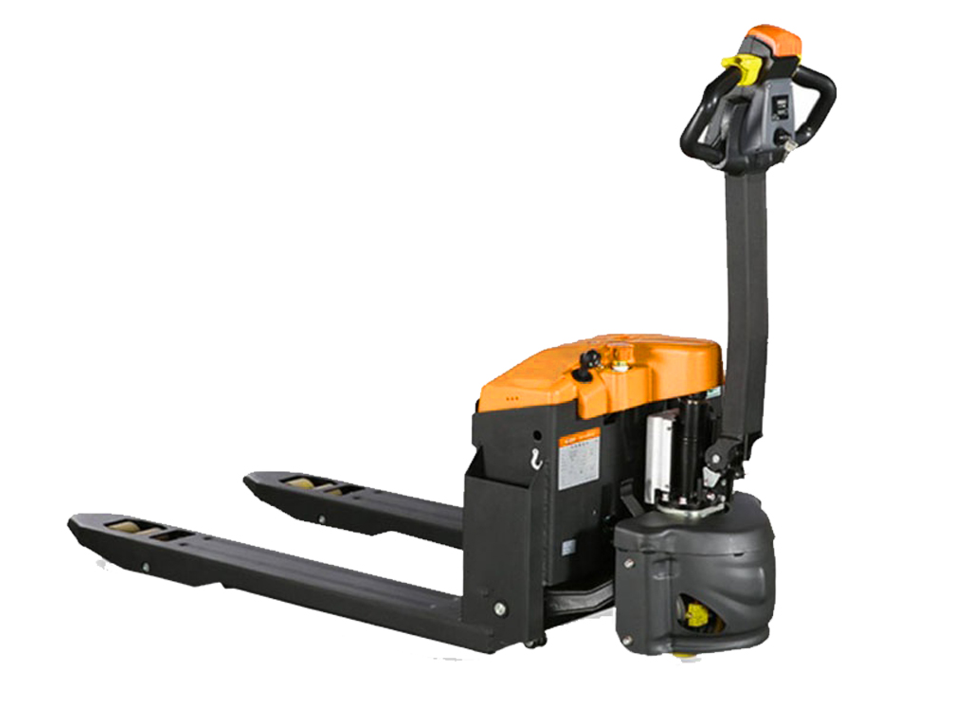
Electric Hand Pallet Truck Capacity Guide
Choosing the correct capacity of an Electric Hand Pallet Truck is one of the most important decisions for warehouse efficiency and safety. While all electric pallet trucks are designed for horizontal pallet movement, selecting the wrong capacity can lead to reduced performance, equipment strain, and operational inefficiencies.
Electric Hand Pallet Trucks are commonly available in 1.5 ton, 2.0 ton, 2.5 ton, and 3.0 ton capacities. Each model is built to handle specific load ranges and operational conditions. Understanding the differences helps warehouse managers make informed decisions.
HUB Solution provides Electric Hand Pallet Trucks across all these capacity options to match various warehouse demands.
Why Capacity Selection Matters
Capacity refers to the maximum load weight that the pallet truck can safely lift and transport. Choosing the right capacity ensures:
Safe load handling
Stable movement
Reduced wear on motor and components
Improved equipment lifespan
Better overall warehouse productivity
Using an under-capacity model for heavy pallets can strain the motor and reduce performance. Conversely, using an oversized model for light loads may reduce maneuverability and efficiency.
Understanding Warehouse Load Requirements
Before selecting a capacity, warehouses should evaluate:
Average pallet weight
Maximum pallet weight
Type of goods handled
Frequency of pallet movement
Distance traveled inside facility
Common load types include:
Cartons and packaged goods
FMCG products
Pharmaceutical supplies
Food and beverage items
Industrial components
Bulk materials
Each load category requires appropriate capacity selection for safe handling.
1.5 Ton Electric Hand Pallet Truck
Best For:
Light warehouse goods
Retail backrooms
E-commerce storage
Short-distance movement
Advantages:
Easy maneuverability
Suitable for tight spaces
Lower motor strain
Ideal for moderate daily use
This capacity works well in smaller warehouses or facilities with lighter pallet loads.
2.0 Ton Electric Hand Pallet Truck
Best For:
General warehouse operations
FMCG storage
Pharmaceutical warehouses
Food distribution centers
Advantages:
Balanced strength and efficiency
Suitable for mixed load types
Reliable for daily operations
Stable performance across moderate distances
This is often the most versatile and widely selected capacity.
2.5 Ton Electric Hand Pallet Truck
Best For:
Industrial warehouses
Manufacturing facilities
Medium-heavy pallet handling
Continuous operational environments
Advantages:
Stronger drive system
Better load stability
Suitable for denser materials
Designed for heavier workloads
Ideal for warehouses where pallet weights are consistently higher.
3.0 Ton Electric Hand Pallet Truck
Best For:
Heavy industrial storage
Bulk material movement
Large distribution centers
High-intensity operations
Advantages:
Reinforced structural design
Higher load-handling capability
Greater durability
Suitable for demanding conditions
This capacity is designed for environments requiring maximum strength and continuous use.
Impact of Travel Distance on Capacity Selection
Electric Hand Pallet Trucks are primarily used for horizontal movement. However, travel distance affects motor performance and battery usage.
For:
Short travel distances → Lower capacities may be sufficient
Longer distances → Higher capacity models with stronger motors are recommended
Frequent long-distance movement requires durable drive systems to maintain consistent performance.
Floor Conditions and Operational Environment
Warehouse floor quality influences capacity choice.
Smooth concrete floors allow efficient operation across all capacity ranges. However:
Uneven floors increase strain on wheels and motor
Heavier loads require stronger structural support
Proper capacity matching ensures smooth operation regardless of floor condition.
Matching Capacity with Industry Applications
Different industries typically use different capacity ranges:
FMCG & Retail → 1.5 ton or 2.0 ton
Pharmaceutical → 1.5 ton or 2.0 ton
Food & Beverage → 2.0 ton
Manufacturing → 2.5 ton
Heavy Industry → 3.0 ton
Selecting the appropriate capacity improves safety and operational efficiency.
Safety Considerations When Choosing Capacity
Choosing correct capacity helps:
Prevent overloading
Improve load stability
Reduce risk of accidents
Protect equipment from premature wear
Operators should always follow manufacturer load guidelines and avoid exceeding capacity limits.
Long-Term Operational Benefits of Correct Capacity
When the correct capacity is selected:
Equipment lifespan increases
Maintenance frequency decreases
Operational efficiency improves
Downtime reduces
Worker productivity improves
Correct selection supports sustainable warehouse growth.
Common Mistakes to Avoid
When choosing Electric Hand Pallet Truck capacity, avoid:
Selecting lower capacity to save space
Ignoring maximum pallet weight
Overlooking future operational growth
Underestimating daily usage frequency
Proper planning ensures long-term performance and reliability.
Conclusion
Selecting the right Electric Hand Pallet Truck capacity is crucial for safe and efficient warehouse operations. Each capacity — 1.5 ton, 2.0 ton, 2.5 ton, and 3.0 ton — serves different operational needs based on load weight, travel distance, and usage frequency.
HUB Solution Electric Hand Pallet Trucks are designed to meet modern warehouse demands with reliable performance and durable construction. Choosing the appropriate capacity ensures smoother workflow, improved safety, and long-term operational success.
📞 +91-6356980846


Comments